01
The director is the source of truth
AI tools are means, not authors. Every generative output runs through director and supervisor review. We engineer the pipeline so the human creative hierarchy stays intact.
Practice
End-to-end AI-augmented film production across pre-production, production, and post — with IP provenance, talent consent, and audience-integrity guardrails engineered into the pipeline.
How it works
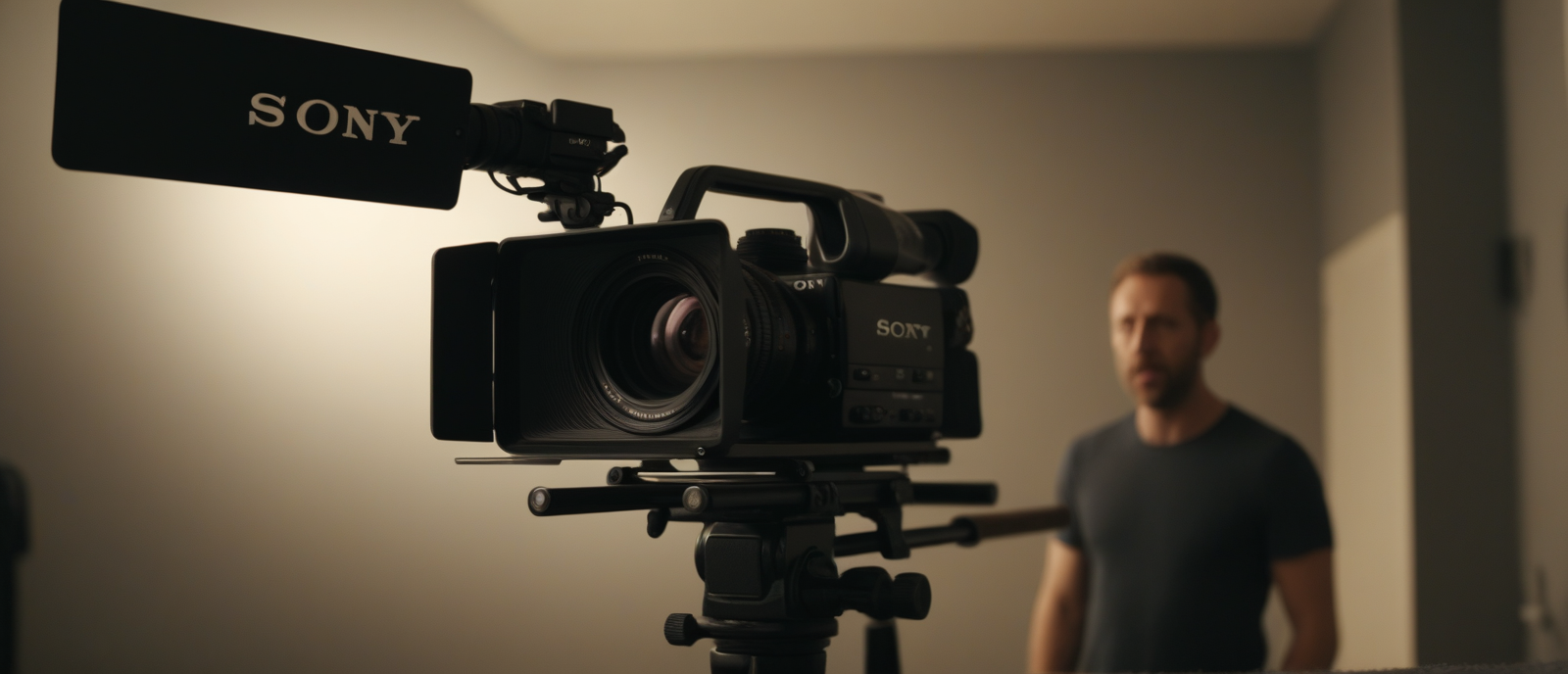
We partner with studios and producers delivering feature-length and series content. Generative and ML tools touch every stage — script analysis, virtual production on LED volumes, editorial assist, AI-aided dubbing, multi-language distribution mastering. Pipelines integrate with Avid / DaVinci Resolve / Premiere; provenance, consent records, and director approvals are tracked end-to-end. We are the engineering partner the studio retains from greenlight — not a downstream tooling vendor.
Script analysis (continuity, pacing, comparable references), AI-assisted storyboards with shot-list export, virtual casting libraries with consent metadata, location previz from script.
Real-time previz on set, virtual-production integrations (Unreal-based LED-volume workflows), on-set face-replacement plates, generative element libraries indexed for the production.
Editorial assist (rough-cut generation against the script), colour LUT adaptation, AI-aided dubbing and lip-sync for Indian language releases, music gen for temp tracks, sound-design libraries.
Multi-language trailer cut-down, marketing-asset gen with brand governance, regional poster gen, audience-research synthesis from screener feedback.
AI tools are means, not authors. Every generative output runs through director and supervisor review. We engineer the pipeline so the human creative hierarchy stays intact.
Every actor, voice artist, and on-screen contributor gets a written consent record covering AI use of their likeness, voice, and performance. We build the system that tracks it; the studio's legal team enforces it.
Every generated asset carries metadata on the models, training data, prompts, and human approvals involved. The producer's deliverables bundle includes the audit trail.
Hindi, Tamil, Telugu, Bengali, Malayalam, Kannada, Marathi — language tooling is engineered as a first-class delivery, not an English-first afterthought with regional retrofits.
Generated content is disclosed where regulation or trust requires it. We will not engineer pipelines that mislead audiences about what they're watching.
Lawful only with explicit written authorisation from the rights-holder's estate. We will not build the pipeline that lets a studio sidestep that conversation.
Generative content that is not disclosed where regulation, platform policy, or audience trust requires it fails the integrity test we engineer to.
Even for incidental work — looping, ADR, language adaptation — the performer's consent and a commercial term sheet are prerequisites, not afterthoughts.
If we can't show provenance for what went into a model, the studio can't ship outputs from it. We design the licensing layer up front.
Tell us what you've already tried, what you've ruled out, and what success looks like. We come back within one working day.